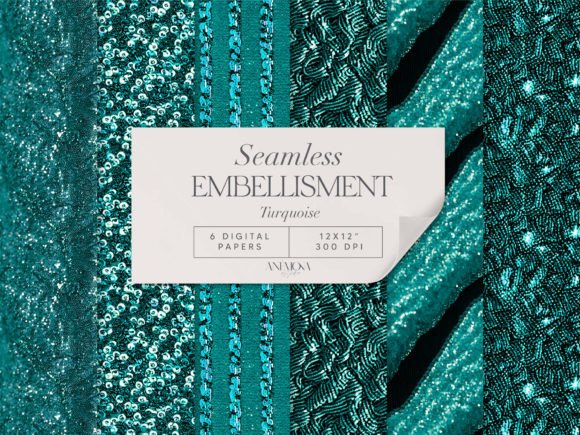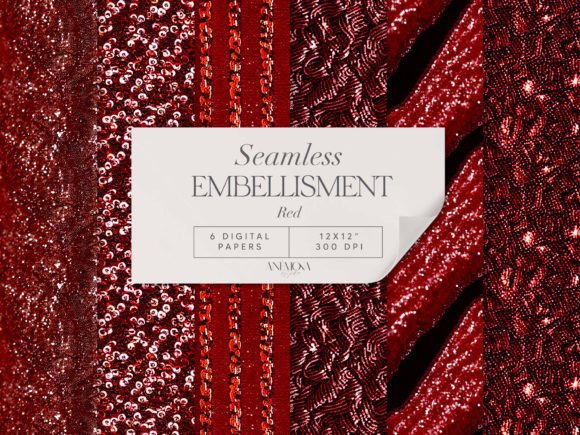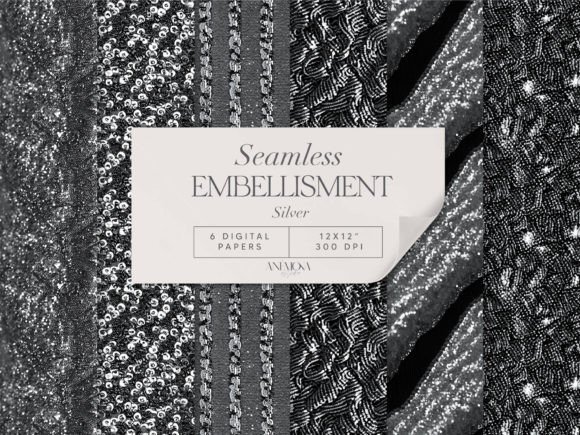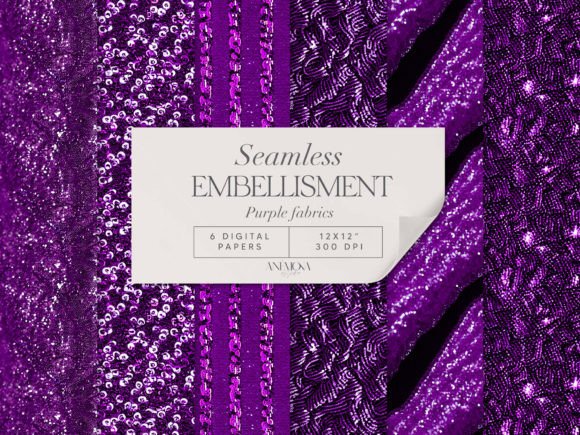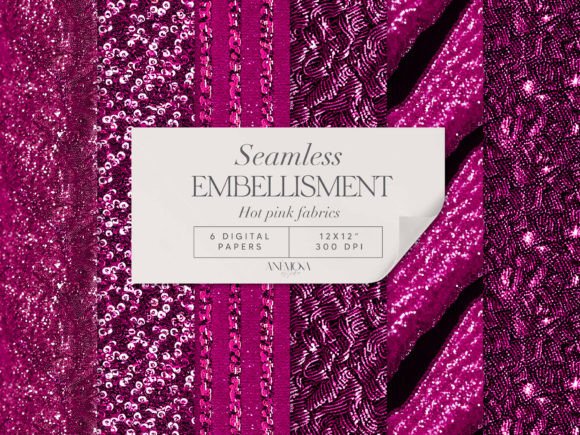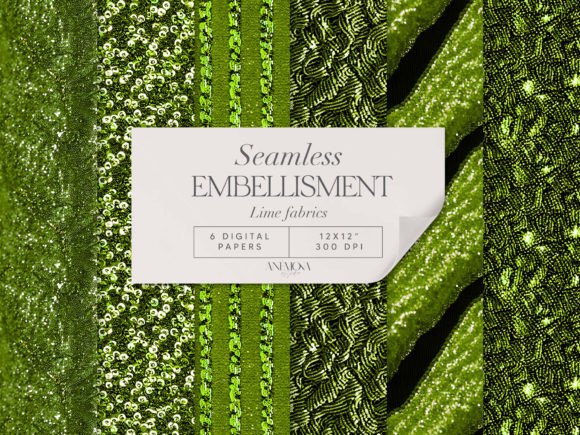
Green Embroidery Sequin Fabric Paper
First Impressions: A Fresh, Elegant Design
From the moment I opened the Green Embroidery Sequin Fabric Paper, it immediately caught my eye. The design is clean, modern, and has a subtle elegance that feels both luxurious and approachable. The green tones are rich but not overwhelming, making it versatile for a wide range of projects. The seamless pattern and high-resolution 300 dpi quality suggest it’s built for professional use, whether for print or embroidery.
Real-World Use: What This Design Brings to the Table
I tested the Green Embroidery Sequin Fabric Paper on a custom embroidered tote bag for a client who wanted something unique yet sophisticated. The design translated well onto the fabric, with clear lines and a balanced composition. It’s ideal for machine embroidery designs that require a mix of satin stitch and fill stitch, offering enough detail without being too dense. The scale of the design also makes it perfect for larger hoop sizes, which is a plus when working on items like sweatshirts or aprons.
Best Fit: Projects That Highlight Its Strengths
This Green Embroidery Sequin Fabric Paper shines in projects that benefit from its refined aesthetic. It works great as a tote bag design, a sweatshirt embroidery, or even a baby item like a onesie or blanket. The design’s simplicity allows it to stand out without overpowering the fabric, making it a smart choice for handmade products or personalized gifts. It also pairs well with other elements, such as additional embroidery or applique designs, for layered effects.
Where to Be Cautious: Limitations and Considerations
While the Green Embroidery Sequin Fabric Paper is visually appealing, there are some scenarios where it might not perform as well. On small hoop sizes, the details can become lost, so it’s best to avoid using it for intricate corners or tiny lettering. Thin or stretchy fabrics may show the design less clearly, and dark fabrics could make the green hues less visible. If you're planning to use this on layered garments or curved surfaces like caps, be sure to test it first.
Visual Appeal and Customer Perception
When it comes to visual appeal, the Green Embroidery Sequin Fabric Paper adds a touch of class to any finished product. Customers often respond positively to designs that feel intentional and well-crafted. This design can elevate the perceived value of your handmade product or small shop merchandise, especially when used on items like holiday gifts or boutique branding. It also helps reinforce brand consistency, making it a reliable choice for Etsy sellers or digital product sellers.
Practical Tips for Embroidery Designers
Before committing to a project, I always recommend testing the Green Embroidery Sequin Fabric Paper on scrap fabric. This helps you see how the design interacts with different materials and ensures the thread colors contrast well. Check the stitch density to make sure it won’t cause puckering or distortion. Also, confirm the hoop size needed for your project and inspect small details for clarity. Testing the design in black and white mockups can help you understand how it will look on various fabric backgrounds.
Commercial and Personal Use: What You Need to Know
The Green Embroidery Sequin Fabric Paper is suitable for both personal and commercial projects, but it’s important to verify the licensing terms before selling finished items or digital products. For craft businesses or Etsy listings, this design can serve as a strong foundation for printable mockups or digital embroidery files. It’s also a great option for creating custom apparel or embroidered patches that customers will find appealing and valuable.
Final Thoughts: A Versatile Addition to Your Design Library
Overall, the Green Embroidery Sequin Fabric Paper is a solid choice for designers looking for a fresh, elegant design that can be used across multiple projects. Whether you’re working on a holiday gift, a personalized product, or a commercial embroidery project, this design offers flexibility and style. With careful consideration of fabric type, hoop size, and stitching techniques, it can become a go-to asset in your creative toolkit.