Tropical Font O Review
As a designer who’s spent years working with machine embroidery, I’ve seen my fair share of fonts and lettering styles. Some are flashy, others are practical, but few truly capture the essence of what they’re meant to represent. Tropical Font O is one of those rare finds that feels both stylish and functional. It’s not just a font—it’s a design choice that can elevate a project from basic to beach-ready.
The First Impression: A Slice of the Tropics
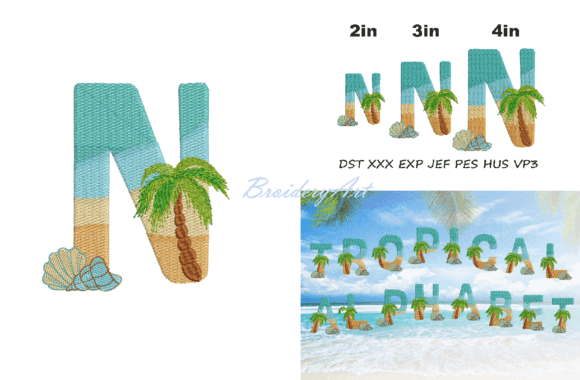
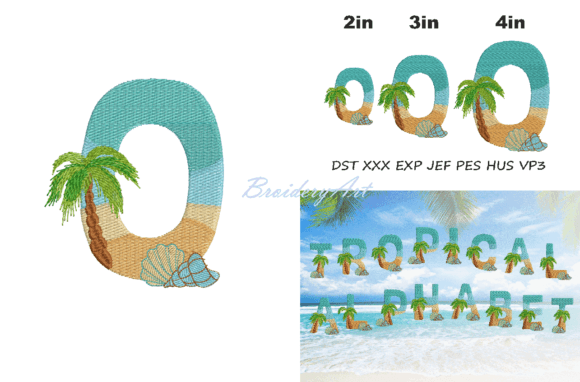
When I first laid eyes on Tropical Font O, it immediately evoked a sense of warmth and relaxation. The curves are soft yet defined, and the overall shape has a playful, almost hand-drawn quality. It doesn’t feel like a generic letter; it feels like an expression of a tropical vibe. This font would fit perfectly on a tote bag, a sweatshirt, or even a baby onesie—anything that needs a touch of island charm.
The layout is clean, with enough detail to stand out without being overwhelming. It’s not overly ornate, which makes it versatile for different applications. Whether you’re looking to add a splash of color or keep it simple, this font has the flexibility to work in multiple settings.
Real-World Use: From Tote Bags to Holiday Gifts
I tested Tropical Font O on a few different projects to see how it performed in real-life situations. On a cotton tote bag, it looked great with a medium-sized hoop and a solid thread color. The stitch density was just right—enough to make the letter pop without being too heavy. For a custom sweatshirt, it worked well with a light-colored fabric, where the satin stitches really brought out the texture.
On a baby onesie, the font had a gentle, friendly look. The details were clear, and the size was appropriate for the garment. It wasn’t too big or too small, which is important when working with delicate fabrics. For a holiday gift, like a embroidered pillow cover, it added a subtle, elegant touch that felt personal and meaningful.
One thing I noticed is that the font works best on flat surfaces. When I tried it on a cap, the curve of the brim made the lettering slightly distorted. That’s something to keep in mind if you're planning to use it on curved items like hats or bags with rounded edges.
Where to Be Careful: Small Details Matter
While Tropical Font O is a strong design, there are some areas where it might not perform as well. If you’re using a small hoop, the lettering could become cramped, especially if you’re trying to fit multiple letters. It also isn’t ideal for thin or stretchy fabrics, as the stitches may not hold up over time.
On dark fabrics, the font can be harder to see unless you use a contrasting thread color. I recommend testing it on both light and dark backgrounds before committing to a project. For textured fabrics, like denim or linen, the design might not lay flat as smoothly as it would on a smooth cotton.
If you’re planning to use it on a layered garment or something that will be washed frequently, be sure to use the right stabilizer. Otherwise, the stitches might pucker or lose their shape over time.
How It Impacts Your Work: Value, Trust, and Appeal
Using Tropical Font O can add significant value to your handmade products. It’s a unique design that stands out in a crowded market. As an Etsy seller or small shop owner, having a font that feels exclusive can make your listings more appealing to customers looking for something different.
From a branding perspective, it helps create consistency across your product line. Whether you're making custom apparel or personalized gifts, this font can serve as a signature element that reinforces your brand identity. It also makes your finished products look more professional, which can increase customer trust and repeat business.
For commercial embroidery projects, it’s a reliable choice. It’s not too complex, so it won’t cause issues on most machines. But again, testing is key. Make sure to check the stitch density and confirm that it works with your specific equipment and fabric types.
Practical Tips for Embroidery Designers
Before using Tropical Font O in a project, I always recommend doing a test run. Use scrap fabric to see how the stitches look and whether the design holds up. Check the thread color contrast, especially if you're working with dark or patterned materials.
Review the stitch density to make sure it’s appropriate for your fabric type. If the design is too dense, it might cause puckering or discomfort on the garment. Confirm the hoop size needed for your project, and don’t forget to use the right stabilizer for the fabric you’re working with.
If you’re selling finished products or digital files, double-check the licensing terms. Even though this is an original design, it’s important to know what you can and cannot do with it. For printable mockups or digital product previews, make sure the file is high quality and shows the font clearly.
Final Thoughts: A Versatile Addition to Your Design Toolkit
Tropical Font O is a solid choice for anyone looking to add a tropical flair to their embroidery projects. It’s versatile, easy to work with, and has a natural aesthetic that fits well with beach-themed designs. Whether you're creating custom apparel, personalized gifts, or small shop merchandise, this font can help you stand out in a crowd.
It’s not perfect for every situation, but when used correctly, it can elevate your work and bring a fresh, creative energy to your designs. As a designer, I’d definitely recommend giving it a try—especially if you're looking for something that feels both stylish and practical.