Border Embroidery Review
As a designer and embroidery product reviewer, I often find myself evaluating machine embroidery designs for real-world use. Border Embroidery is one that stands out for its versatility and potential in a wide range of projects. Whether you're working on custom apparel, handmade gifts, or small business merchandise, this design has the right balance of style and functionality to make it a valuable addition to your collection.
The First Impression
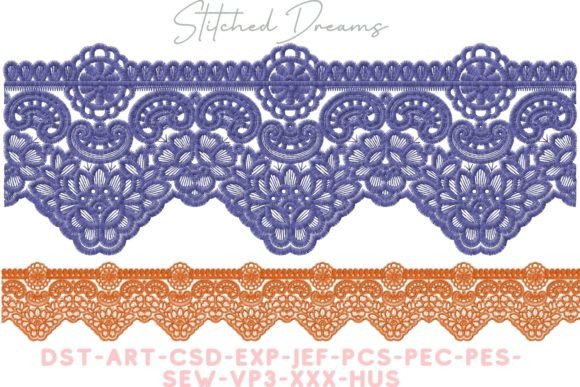
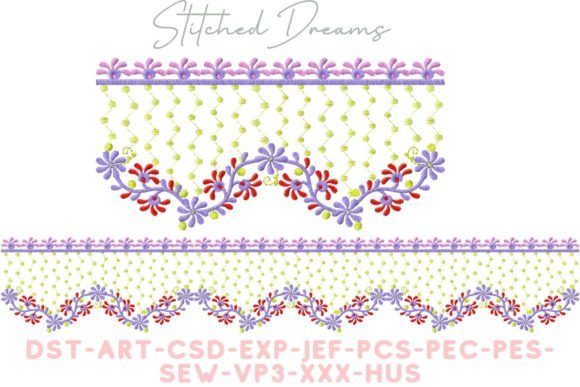
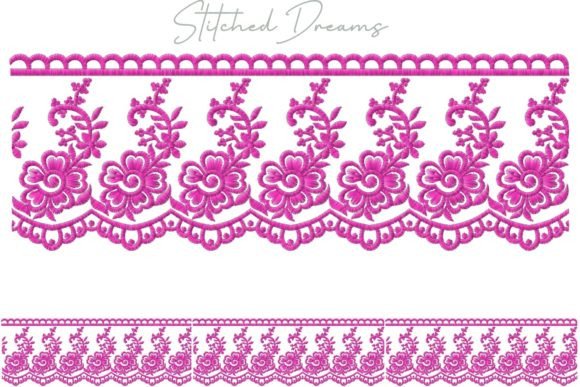
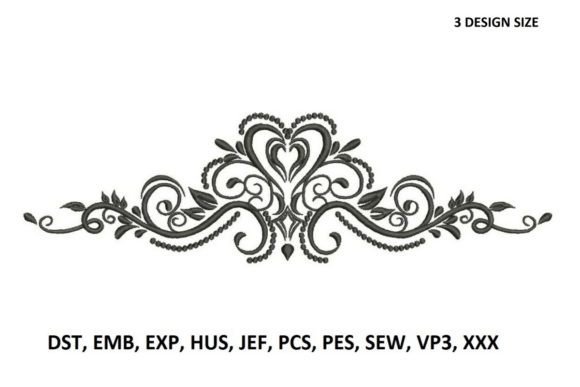
Border Embroidery immediately gives off a classic, elegant vibe. The shape is clean and structured, with a layout that feels both timeless and adaptable. The level of detail is just enough to add visual interest without overwhelming the piece. It’s not overly ornate, which makes it suitable for a variety of themes—whether it's a rustic farmhouse aesthetic, a modern minimalist look, or something more traditional.
This design seems to naturally belong on items like pillow covers, tote bags, and framed artwork. Its linear structure makes it ideal for adding a decorative edge without distracting from the main focus of the item. It also works well as an applique design, especially when paired with other elements like text or motifs.
Real-Life Embroidery Performance
When I tested Border Embroidery on a custom tote bag, it looked sharp and professional. The stitch density was consistent, and the satin stitch used in the border created a smooth, polished look. It worked well on both cotton and canvas, though I noticed that on lighter fabrics, the thread colors needed to be carefully chosen to ensure visibility.
On a sweatshirt, the design maintained its clarity even after multiple washes. The stabilizer played a key role here—using a good quality tear-away helped prevent puckering, especially on the edges. For baby clothes, the design was subtle enough to feel safe and appropriate, while still adding a nice touch of personality.
I also tried it on a patch for a jacket. The design held up well, and the running stitch used in certain areas gave it a slightly textured appearance. This added depth without making the patch look too busy. It’s a great option for personalized gifts, especially when paired with a name or initials.
Where to Use With Caution
While Border Embroidery is versatile, there are some situations where it might not perform as well. On small hoop sizes, the design can feel cramped, especially if the corners are intricate. I recommend using a larger hoop or adjusting the design if necessary.
Textured fabrics like denim or linen can sometimes cause the stitches to sit unevenly, so it’s important to test the design on a scrap piece first. Thin or stretchy fabrics may require additional stabilizer to keep the embroidery from distorting. Dark fabrics can also be tricky—make sure the thread color contrasts enough to stand out.
For curved surfaces like caps or hats, the design may need some minor adjustments to fit the contour. Tiny lettering or detailed corners could get lost if the stitch density is too high. If you’re planning to use it on a layered garment or something with multiple layers, double-check how the design interacts with the fabric underneath.
Impact on Visual Appeal and Value
Border Embroidery adds a refined touch to any finished product. It elevates the look of a handmade item, making it more appealing to customers who are looking for quality and attention to detail. When used on a tote bag or pillow, it creates a sense of craftsmanship that can increase the perceived value of the item.
From a customer perspective, this design is easy to recognize and appreciate. It’s not too flashy, but it’s distinctive enough to make a statement. This makes it ideal for personalized gifts, where the recipient can see the effort and care that went into the embroidery.
For small business owners and Etsy sellers, Border Embroidery is a reliable choice. It works well for boutique branding and can be used across different product lines. Whether you’re creating printable mockups or digital embroidery files, this design offers flexibility and consistency.
Practical Designer Notes
Before finalizing any project, I always recommend testing the design on scrap fabric. This helps identify any issues with stitch density, thread color contrast, or stabilizer needs. It’s also a good idea to review the embroidery file for any hidden elements or complex areas that might require adjustment.
When using Border Embroidery on dark fabrics, consider using a contrasting thread color to ensure visibility. For light fabrics, a darker thread can create a striking effect. Always check the hoop size to make sure the design fits comfortably and doesn’t require excessive resizing.
If you’re planning to sell finished products or digital assets, confirm the licensing terms before proceeding. Some designs may have restrictions on commercial use, so it’s best to verify that everything is clear before moving forward.
Overall, Border Embroidery is a solid choice for designers and crafters looking for a versatile, stylish, and functional machine embroidery design. With the right preparation and execution, it can enhance a wide range of projects and help elevate your brand or product offerings.